Use Case #23: Voice to Proposal
Converting informal voice notes into polished client proposals.
William Welsh
Author
Use Case #23: Voice to Proposal
I had a discovery call at 2pm. By 4pm they wanted a proposal. I was driving to another meeting.
So I recorded my thoughts on the drive.
The Voice Note
8 minutes of rambling: project scope thoughts, rough timeline estimates, team composition, technology choices, risk factors, pricing considerations. Not structured. Not polished. Stream of consciousness.
The Transformation
Claude processed the transcription: extracted scope items, organized into phases, added missing sections (assumptions, exclusions, payment terms), formatted professionally, priced each phase based on my rough estimates.
The Output
A 12-page proposal including executive summary, detailed scope, timeline with milestones, team and responsibilities, technology stack, pricing breakdown, terms and conditions, and next steps.
The Reaction
Client: "This is the most thorough proposal we've received."
They didn't know it started as car rambling.
The Win
$45,000 contract. 6-month engagement. Started the following week.
Why This Works
Voice capture is fast. You can articulate complex ideas while doing other things. The bottleneck is transformation - making rambles presentable.
Claude removes that bottleneck. Your ideas, professionally packaged.
This proposal won the EDF-Pro contract, November 2025.
William Welsh
Building AI-powered systems and sharing what I learn along the way. Founder at Tech Integration Labs.
Related Articles
View all →Use Case #8: Voice Notes to Specs
I talk to myself while driving. Those voice notes become features. Claude extracts the signal from the noise and turns my rambling into implementable specs.

Use Case #1: Autonomous Bug Fixing from Slack
One prompt. Zero babysitting. Claude read bug reports from Slack, traced the issues through my codebase, fixed them, deployed to production, and verified the fixes in a browser.
Use Case #2: Client Onboarding from URL
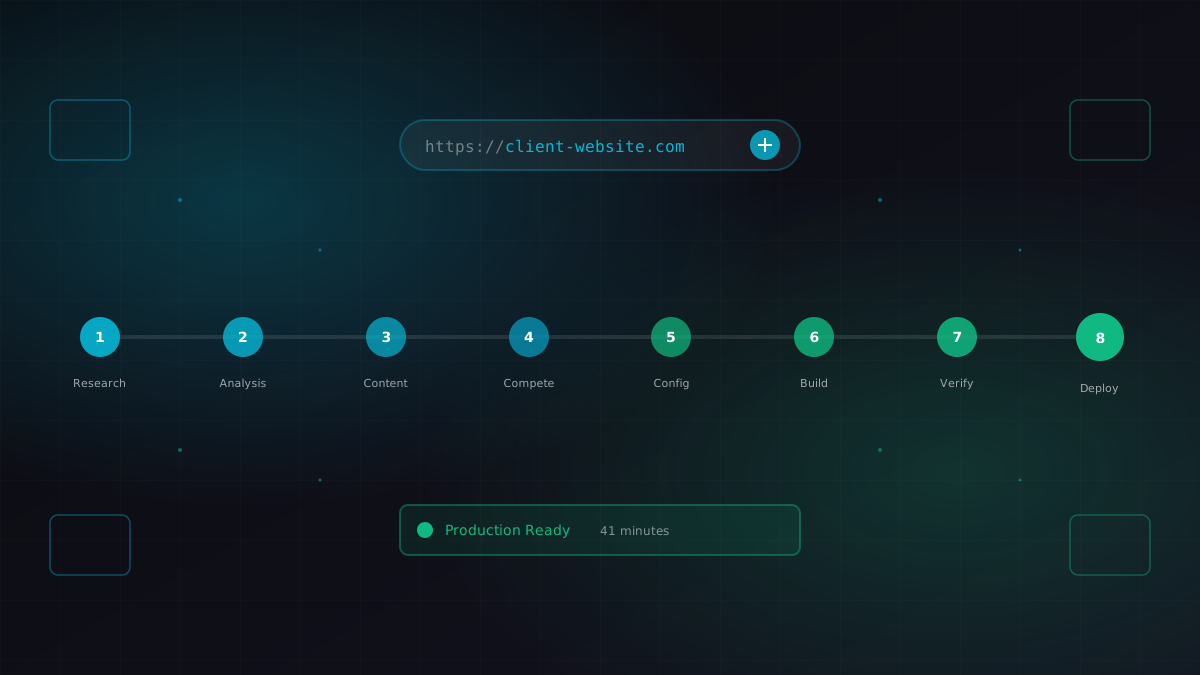
I gave Claude a business URL. It researched the company, scraped their content catalog, identified competitors, extracted brand colors, and generated a fully configured ContentEngine instance.